

Imagine you’re about to embark on a journey to explore a new land, a land rich with culture, history, and wonders waiting to be discovered. Before setting foot in this unfamiliar territory, you’d likely want to prepare yourself, learn about its history, its customs, and its people. Similarly, as educators, we must prepare our students before diving into hard and challenging, complex topics and rich literature.
The key to successful teaching often lies in how we introduce a topic, set the premise and purpose for a lesson, and build background knowledge. Every lesson is unique, and understanding how to approach each topic effectively is vital for engaging and enlightening our modern-day students.
Diverse Approaches for Diverse Topics
Just as no two journeys are the same, no two lessons or topics should be introduced in the same way. The method you use to introduce a subject should align with its complexity, the prior knowledge of your students, and the learning outcomes you aim to achieve. Here are some strategies and resources to help you plan ahead and build background knowledge effectively:
1. Use Real-World Connections: Start by connecting the topic to real-world experiences or current events that your students can relate to. For instance, when introducing a history lesson about ancient civilizations, you can draw parallels to modern societies or discuss how ancient innovations still influence our lives today. I have a bell ringer where students write a paragraph response to a prompt based on the topic we will be diving into.
For example, if we are about to start reading Macbeth, their prompts might be “Can a person have two sides to their personality?” “Can they be both good and evil?” Then, after they’ve written in silence, we’d have a quick 5 – 8 minute discussion. Now, they’re reading to get started on Shakespeare.
2. Multimodal Resources: Utilize a variety of resources to cater to different learning styles. Incorporate videos, images, interactive simulations, and primary source materials to provide a well-rounded understanding of the topic. Websites like Khan Academy, National Geographic, and TED-Ed offer a wealth of multimedia resources for educators. Hey, don’t underestimate the power of a good, reputable YOUTUBE video.
I use em when I need quick background information or the students have read, I’ve read and after a while, we all get tired, so I use readings of chapters, short stories, and poems to help students still engage with the content, but without hearing me drone on and on again. Also, we can pause videos and return to missed portions, and when students are absent, they can catch up on their own.

3. Guest Speakers and Field Trips: Invite guest speakers or plan field trips when possible. These experiences can bring authenticity and real-world context to your lessons. If you’re teaching a science class, arranging a visit to a local laboratory can be immensely valuable. And folks, don’t forget that these trips are school-related. Even though you want your students to engage and have fun, there needs to be a learning component.
How do we know they’ve learned? Have a discussion or writing assignment or some form of assessment (poster, vlog, presentation survey, etc.) when they return. Prove that they’ve learned from the presenter or field trip.
4. Storytelling: Narratives have a powerful impact on memory and understanding. Craft a compelling story related to the topic to pique students’ curiosity. Whether it’s a historical event, a scientific discovery, or a literary masterpiece, storytelling can make the subject matter more relatable and engaging.
Seriously. That’s how I start some of my lessons. After greeting my students at the door, I’d walk in, as they’re pulling out their supplies and paper, I’d say, “Guess what happened this morning?” “I was listening to …yesterday, and…” or “Did you see the news last night?” This sparks their interest and gets us ready to proceed without whining and pushback.
5. Scaffolded Learning: Recognize that not all students will have the same background knowledge or skill level. Use scaffolding techniques, such as pre-assessments and pre-reading activities, to gauge their prior knowledge and tailor your instruction accordingly.
I have so many types of activities for students, so I have a lot of things to choose from. This is a part of my differentiation because the same content can be metered in several other ways. Check out my previous blog on the topic.
6. Technology and Online Resources: Leverage technology to your advantage. Online platforms like Google Classroom, Moodle, and Edmodo can help you deliver content, engage students in discussions, and provide supplementary materials.
Also, for those of us who just have our Promethean Boards or student cell phones (if it’s allowed), know that you can use these forms of technology too. I use the editing feature on my Promethean board, when teaching grammar. I use the highlighting tool when annotating with students or bringing a sentence or quote from a piece of class reading to my students’ attention. I also have my students look up definitions of words or play Kahoot (sometimes the ones they’ve created), and guess how and where they get to do these things? Yes, on their phones. They take pictures of their home learning slides and they create videos for class assignments. It’s awesome.
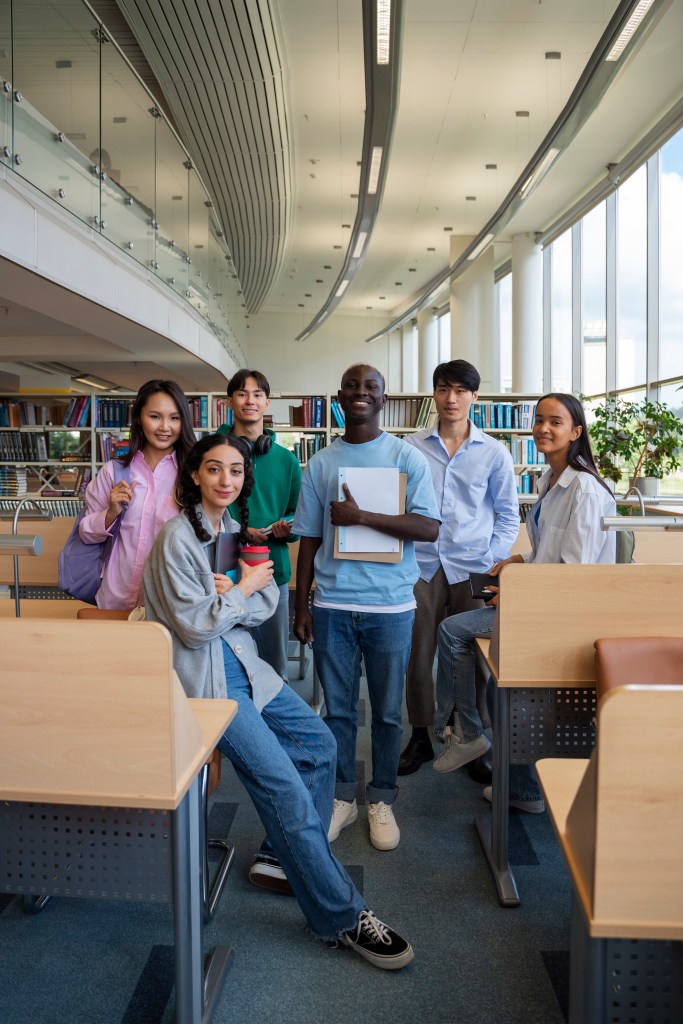
7. Collaborative Learning: Encourage peer learning and group discussions. Collaborative activities, like group projects and debates, allow students to share their knowledge and learn from one another.
I’ve always maintained that students learn better when they share out, present, or even teach the content. So, I allow them that space. Now, that I’ve covered XY and Z, and we’ve worked incessantly with this topic, you’re expected to teach your peers. Yes, I do, You Do, We do…and You DO some mo’!
8. Lastly, Cultural Sensitivity: Be mindful of cultural diversity when introducing a topic. Ensure that your materials and examples are inclusive and sensitive to the backgrounds and perspectives of your students.
I’ve taught at different types of schools and the student body changes. I try to incorporate different background, genders, races, religions, ability levels, different professions, either through the readings, the discussions, the Youtube/Ted Talk speakers, guest speakers, etc. to show my students that this space is for real welcoming and for you.
Students cannot just say what’s on their mind without thinking; no, you’re not allowed to “offend” anyone to make your point; we have to respect each other in this space so we can do it outside in the world.
In the end, we learn as teachers should realize that introducing a topic, setting the purpose for a lesson, and building background knowledge are dynamic and vital aspects of teaching. They require adaptability, creativity, and a deep understanding of your students’ needs. As educators, our goal is not just to impart information but to spark curiosity, inspire critical thinking, and foster a love for learning.
By using a variety of strategies and resources, such as real-world connections, multimedia materials, guest speakers, storytelling, and technology, we can make learning a rich and engaging experience. Remember that every lesson is different, just as every student is unique, and tailoring your approach to each topic will lead to more powerful and effective teaching. So, embrace the diversity of your classroom, plan ahead, and watch as your students become enthusiastic explorers of knowledge, ready to embark on their own journeys of discovery.
Items that will help with BUILDING A WELCOMING ENVIRONMENT in your classroom.




 The Angry Teacher
Leave a comment