

Novel studies are an excellent way to immerse your students in literature. They help deepen their critical thinking. They also ignite a passion for reading. However, getting your NOVEL STUDY UNIT to the level where it deepens critical thinking, and ignites passion, might prove difficult and problematic – tedious even. I’m here to help.
By incorporating diverse activities and assessments—like task cards, essay exams, quizzes, articles, novel presentations, puzzles, booknotes, and gallery walks—you can create a dynamic, engaging learning experience.
Here’s a step-by-step guide I use when designing a comprehensive novel study that meets the varied needs of middle school ELA learners.
1. Selecting the Perfect Novel
When selecting novels to work on for a long period of time, consider the following:
- Relatable Themes: Choose a novel that connects with your students’ lives and experiences. By now, I would have seen the students in my classes, realized their backgrounds would yield different thematic interests. I would have had conversations about what they like or are curious about. If you haven’t done that yet, it’s never too late – ask them.
- Reading Level: Ensure the text is accessible yet challenging enough to promote growth. Even though we want to meet students on their level, we must remember that growth is also on the plate. Students must engage enough to comprehend the text and be able to develop from the text. Reading levels aside, students must understand the archetypes, standards, figurative language, themes, and other literary elements to move on to another level of text. This should be a part of our decision making process – what is the endgame for this work? Even is students like it, will it help them grow as students or citizens?
- Diverse Perspectives: Consider novels that bring in diverse voices and cultures to broaden students’ worldviews. Each year or classes are filled with new ideas, new perspectives from a variety of sources – our little humans in front to f us. Whether our district is homogeneously one race, there are huge differences between students per class period. Diverse perspectives add excitement, questions, curiosity and interest in our class readings, because thankfully, no two students think alike. We should consider the world students are going into once they leave us. We should continue to allow them to learn about others, the society, their community, and the world in which they live now, and the one they will also live in later.
2. Pre-Reading Activities: Setting the Stage
Building Background Knowledge
- Context Articles: Provide short articles or multimedia resources about the novel’s historical background, author, or cultural setting. Build that background knowledge, even in simple discussions or freewriting activities.
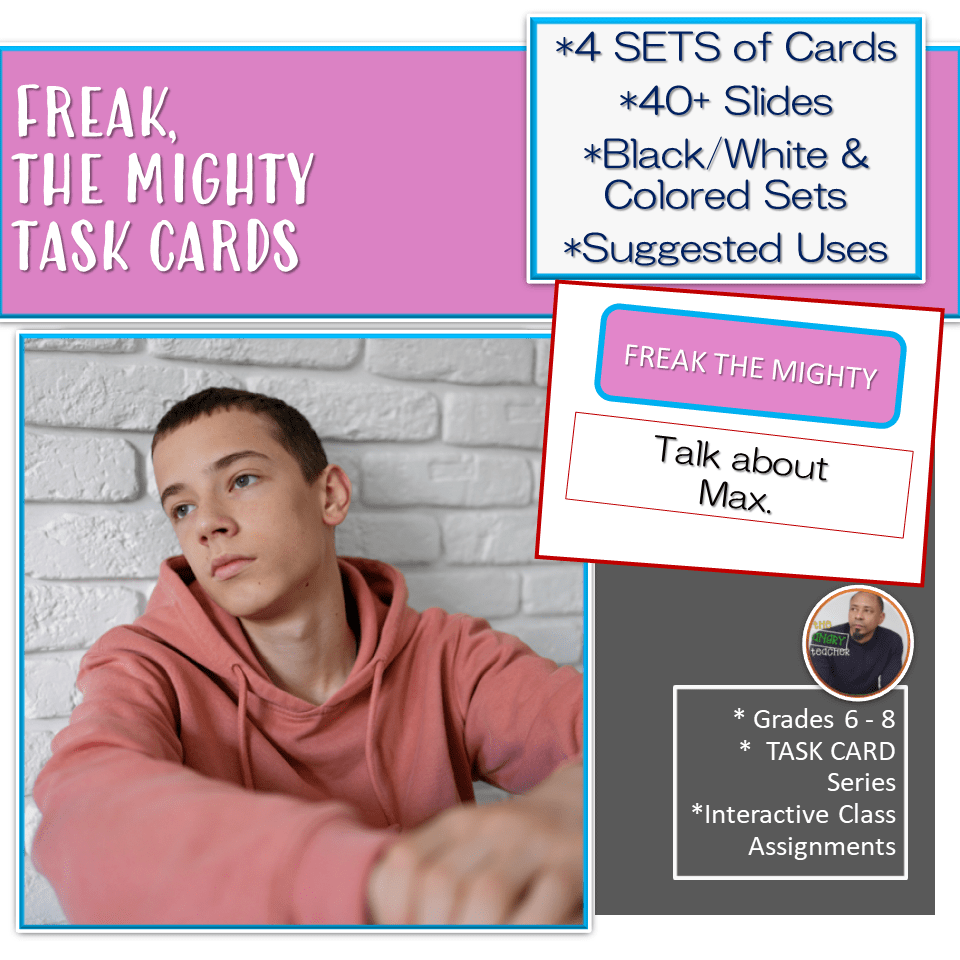
- Task Cards: Create task cards featuring key vocabulary and literary devices from the text. Students can work in pairs or small groups to define terms and use them in sentences. Also, general thematically related questions will help prepare students for the text they will encounter. These can be used during and after as well to break up long reads and the monotony of doing the same thing per class.
Activating Prior Knowledge
- KWL Charts: Have students complete a “What I Know, What I Want to Know, and What I Learned” chart related to the novel’s themes.
- Predictive Puzzles: Use themed puzzles or matching games that hint at the novel’s central conflicts or characters to spark curiosity. These can be used during and after as well to break up long reads and the monotony of doing the same thing per class.

3. During Reading: Engaging Students Actively
Interactive Lesson Activities
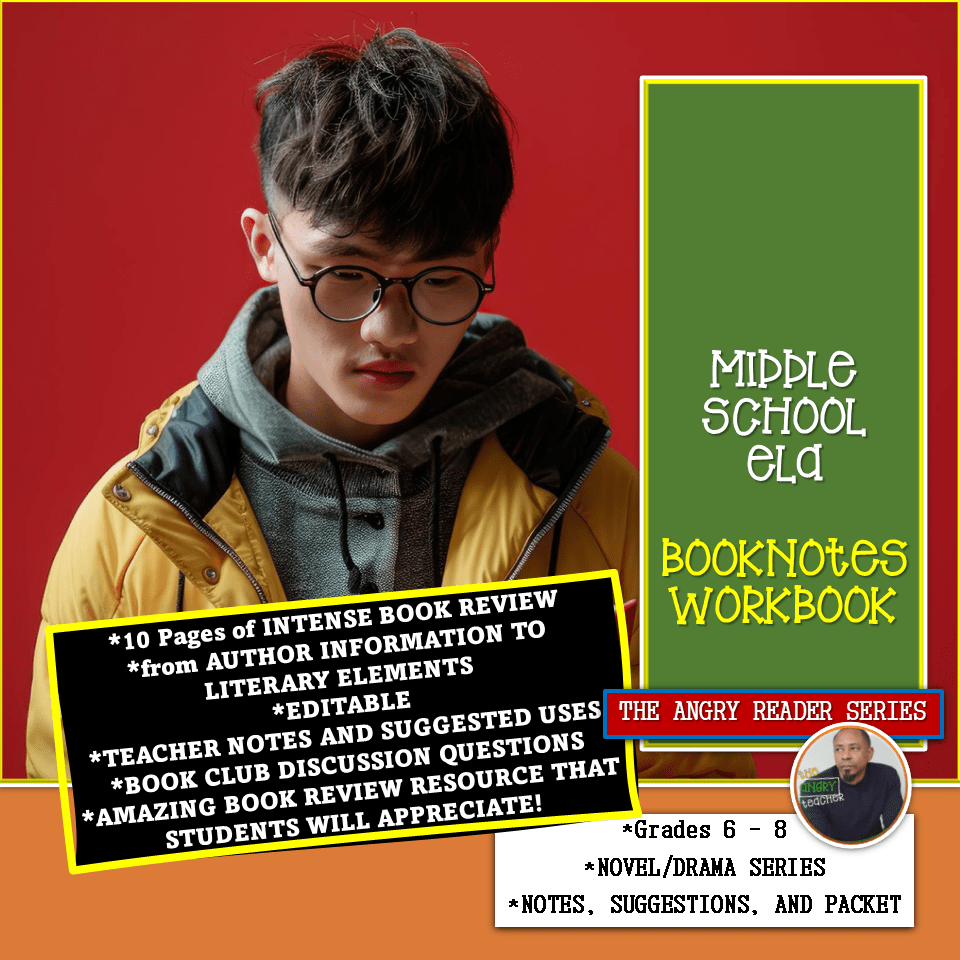
- Reading Journals & Booknotes: Encourage students to keep booknotes or journals, recording their thoughts, questions, and predictions as they read. Booknotes allow students to dive deeply into the rich text, by breaking down each element.
- Task Cards for Discussions: Use task cards with thought-provoking questions about character motivations, plot developments, or thematic elements. Rotate these cards during class discussions or small-group work.
- Guided Reading Quizzes: Most teachers use reading quizzes as a GOTCHA moment for the none readers during class or at home, and that is ok. Some teachers, however, incorporate quick, formative quizzes after chapters to check for understanding and encourage accountability.
- Integrating Puzzles and Games and Literary Puzzles: Can you imagine how much fun taking a break would be? Kids walk into class thinking that they’ll be reading again but end up doing puzzles. They’d be interested in finishing the novel; they’d want to see where it leads. We’ve whet their appetites with critical thinking activities. So develop puzzles—like crosswords or word searches—based on key terms, quotes, or character names from the novel. These can serve as fun, low-stakes assessments.
4. Post-Reading Activities: Deepening Understanding
Assessments That Encourage Critical Thinking
- Essay Exams & Quizzes:
- Essay Exams: Assign essay prompts that require students to analyze themes, characters, and symbolism. Encourage them to support their arguments with evidence from the text. This does not have to follow the pen and paper format we’re used to, especially since AI.
- Quizzes: Use a mix of multiple-choice, short-answer, and matching quizzes to assess comprehension and retention. There are a plethora of ways to navigate student comprehension. Please know that we can assess their learning through presentations and discussions. These are easier to grade for us.
- Novel Presentations:
- Have students work in groups to create a presentation that summarizes the novel, highlights key themes, and connects the text to modern-day issues. This can be done using digital tools or traditional posters.
- Gallery Walks:
- Set up a gallery walk where student-created visuals—such as character maps, thematic posters, or timelines—are displayed around the room. Allow time for students to circulate, ask questions, and discuss their peers’ interpretations.
- Creative Projects & Articles:
- Student Articles: Encourage students to write short articles or blog posts from the perspective of a character, a modern-day journalist covering the events of the novel, or as a reflective piece on how the story relates to current events.
- Alternate Endings & Creative Rewrites: Invite students to create puzzles or “choose your own adventure” style endings that challenge them to reimagine key moments in the story.
- Again, with these sorts of activities, watch out for AI. Students are quickly losing their creativity. Let’s help them sparingly use this resource, if they have to.

5. Bringing It All Together
Reflect and Share:
- Roundtable Discussions: Host Socratic seminars or roundtable discussions where students can share their insights and debate various interpretations of the novel. We can break this up, per chapter, section, for a character, etc. We don’t have to wait until we have finished reading all 200 pages of a novel.
- Peer Review: Use structured peer-review sessions for essays and presentations to help students refine their work and learn from each other.
Leveraging Resources:
- Teachers Pay Teachers (TPT): Explore TPT for pre-made task cards, quizzes, and creative project ideas that can complement your novel study. Yes, and I will insert my shameless plug because my store has all the things you need to make your NOVEL STUDIES great! Check it out and let me know what you think!
- Digital Tools: Consider digital platforms for collaborative annotations or virtual gallery walks, which are particularly useful in hybrid or online settings.


A well-structured novel study in middle school ELA isn’t just about reading a book—it’s about creating an immersive experience that challenges students to think critically, express creatively, and connect personally with literature, getting them ready for our world.
By incorporating a blend of lesson activities, task cards, essay exams, quizzes, articles, novel presentations, puzzles, booknotes, and gallery walks, you provide multiple entry points for student engagement and understanding. All students get to shine because you’ve used all their strengths to garner information and comprehension; they’ll all feel empowered to win!
Happy teaching, and here’s to inspiring your students to see literature in new and exciting ways!
Check out these resources to help you be great:







 The Angry Teacher
Leave a comment