
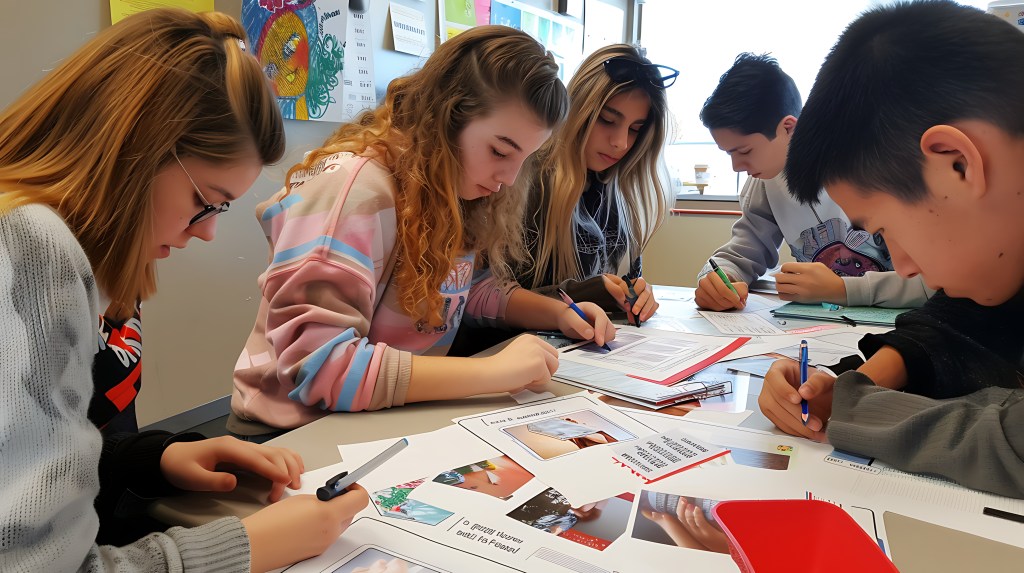
Task cards have been used in classrooms for years, but do teachers still use them today? The answer is yes! A resounding – YES! Task cards are still a helpful tool for engaging students and supporting their learning. In my classroom, I’ve seen how task cards can improve lessons and create valuable learning experiences for students.
My First Experience with Task Cards
I first discovered task cards during my second year of teaching when I was struggling to keep my students engaged in grammar exercises. Worksheets felt dull, and students weren’t retaining the concepts. A colleague suggested task cards as an alternative. Instead of handing out another worksheet, I printed a set of grammar-focused task cards and set up learning stations around the room. The energy in my classroom immediately changed—students were moving, collaborating, and genuinely excited about their work.
From that moment, task cards became a regular part of my teaching toolkit. I used them for everything from back-to-school activities to literary analysis (I teach ELA), and the results spoke for themselves.

Why Task Cards Still Work
Educational research supports the benefits of active learning strategies, and task cards align perfectly with best practices in education. Here’s why they continue to be effective:
They Encourage Movement and Engagement – Students are more engaged when they aren’t confined to their desks. Task cards allow for movement-based activities like scoot games, scavenger hunts, and station work. It just gives students choice, plain and simple. If you follow me on YOUTUBE. INSTAGRAM, or TIKTOK, you’d know I am a believer in having kids move around.
- Differentiate Instruction – Task cards make it easy to tailor lessons to different skill levels. Students can work on specific skills at their own pace without feeling overwhelmed.
- Promote Collaboration – Whether in pairs or small groups, students discuss and problem-solve together, reinforcing concepts in a more interactive way.
- Easy to Implement in Any Subject – Task cards aren’t limited to one discipline. Teachers use them in math, science, English, history, and even physical education.
Student Engagement Stories
One of my favorite success stories with task cards came from a struggling reader in my 9th-grade English class. Traditional reading comprehension worksheets frustrated him, but when I used task cards with short passages and discussion questions, he began to engage with the text in a way I hadn’t seen before. Javy worked through just a few cards at a time. This approach built his confidence. It improved his analytical skills without making him feel overwhelmed.
Another time, I used task cards for a review game before A Raisin in the Sun test. Students moved around the room answering questions and checking each other’s responses. The excitement was palpable, and the test scores reflected the effectiveness of this review method.
Educational Research and Outcomes
Studies have shown that active learning strategies increase retention and comprehension. According to research by the National Training Laboratories, students retain significantly more information. This happens when they are actively engaged in the learning process. Task cards, when used effectively, align with these findings by encouraging interaction, movement, and discussion.
In my experience, students who engage with task cards demonstrate higher retention rates and greater enthusiasm for learning. Teachers who have incorporated task cards into their routines report improved classroom participation and more dynamic lessons.
The Future of Task Cards
While digital learning tools have become more prevalent, task cards continue to be a relevant and valuable resource. Many educators now blend traditional task cards with digital formats, using platforms like Google Forms, Boom Cards, and interactive PDFs. This hybrid approach allows teachers to maintain the benefits of task cards while integrating technology.
Final Thoughts
Do teachers still use task cards? Absolutely! Whether in print or digital form, task cards remain a powerful tool for fostering engagement, differentiation, and deeper learning. If you haven’t used them in a while, consider giving them another try—you might just rediscover their magic in your own classroom!




 The Angry Teacher
Leave a comment