

When it comes to creating an environment that promotes learning and growth, classroom ambience can play a surprisingly powerful role—even in high school settings. While many might assume that adolescents are too focused on academics or external influences to be affected by the classroom atmosphere, research and real-world experiences suggest otherwise. Let’s look into why classroom ambience is important in high school. We need to also consider how you can create an environment that encourages both academic success and personal growth.
What Is Classroom Ambience?
Classroom ambience is basically the vibe of a learning space, kind of like the mood at a party—only instead of snacks and music, you’ve got desks, chairs, and the occasional pencil fight. It includes factors like:
- Physical Environment: Lighting, seating arrangements, decor, and organization. I leave half of my room dark because the bright florescent lights all day hurt my eyes, but the kids loved it! They thought it was for mood, so it stuck all these years. I ain’t mad at it! The mood’s nice. 🙂
- Emotional Climate: The tone set by teacher-student interactions, respect, and the level of support or encouragement. Now I must admit, I’m called the Angry Teacher, for a reason. I may occasionally frown, yell a little, or am strict with random conversations, cursing, bullying, using phones, etc…you know, like a normal teacher, but kids love the vibe of the room. They can focus and or be comfortable in the space; that’s all I can hope for.
- Sensory Elements: Music, color schemes, and even scent can contribute to the overall feel of the classroom. I have Glade plug-ins, Lysol air refreshers, and Fabuloso cleaning liquid (Tropical scent) . Clean Linen scent, baby! The kids love the scent, the half lit room, married with the Lite Jazz, classical music, Big Band music, or old school R&B to make the space the place-to-be!
A well-crafted ambience can make students feel more engaged, supported, and ready to learn, while a less considered environment may inadvertently distract or disengage them.
Why Does Ambience Matter in High School?
1. Enhances Focus and Concentration
A thoughtfully designed classroom can minimize distractions and promote focus. For example, good lighting and a clutter-free space help reduce sensory overload, allowing students to concentrate on lessons.
2. Promotes a Sense of Belonging
A vibrant and welcoming environment that radiates the rich tapestry of diverse student interests and cultures ignites inclusivity at its core. When students catch a glimpse of their own identities celebrated in the classroom decor or feel that the very space embraces their comfort, they are inspired to engage with fervor and excitement.
3. Boosts Motivation and Engagement
Classrooms that feature student work, inspirational quotes, or creative visual displays can serve as daily reminders of achievements and goals. This not only instills pride in their work but also motivates them to contribute positively to the classroom community.
4. Supports Emotional Well-Being
A positive ambience can reduce anxiety and stress. High school can be a challenging time emotionally, and a supportive atmosphere helps students feel safe and ready to take intellectual risks.
Elements of a Positive Classroom Ambience
Physical Space
- Lighting: Natural light is ideal, but if that isn’t possible, use warm, well-distributed artificial lighting. My windows don’t open in sunny South Florida; can you imagine? So my half-lit artificial light has to do. My Promethean Smart Board usually adds light as well. Make it work for you.
- Seating Arrangements: Flexible seating options, like group tables or comfortable chairs, can encourage collaboration and discussion. My room is always in a Horse Shoe or “U” shaped – where two sides of kids face each other and a third set sit along the back wall. This guarantees that everyone sees and listens to each other.
- Decor: Incorporate elements that reflect your class’s personality—be it motivational posters, student artwork, or culturally diverse visuals. Yup. I even added carpets. I have about 4 in the room.
Emotional Environment
- Consistency and Respect: A teacher’s tone and behavior set the stage for how students interact with one another.
- Positive Reinforcement: Recognize achievements, both big and small, to build confidence and a positive self-image.
- Open Communication: Encourage students to share feedback about the classroom environment and be open to making adjustments.
Sensory Details
- Color Schemes: Cool, calming colors can reduce anxiety, while pops of vibrant color can spark creativity.
- Sound: Soft background music during independent work or creative projects can help some students maintain focus.
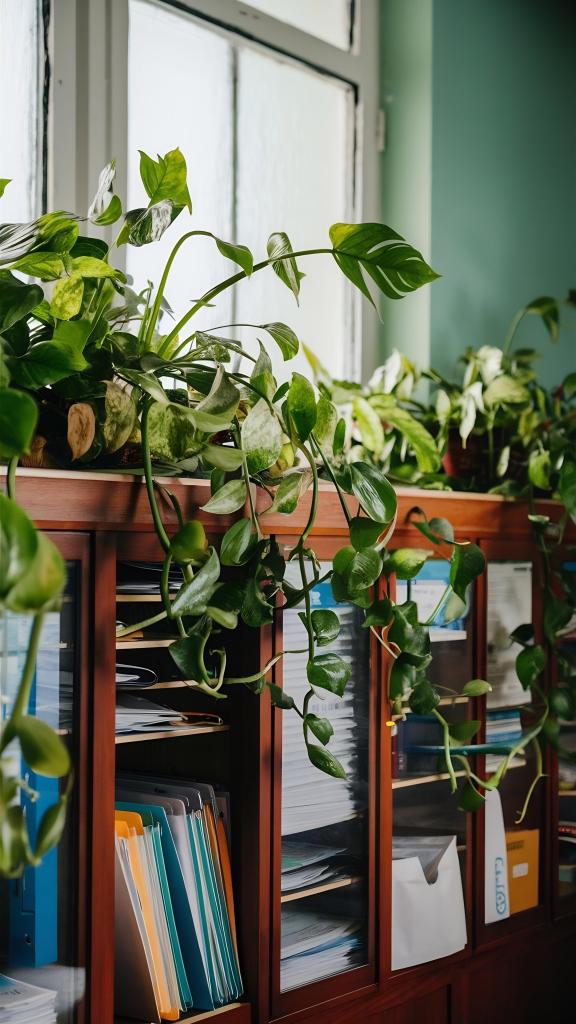
- Comfort: Ensure that the temperature and overall comfort level of the classroom is conducive to learning. For the third time, I’ve tried adding plants in my room. Those things keep dying, so until I figure out how to keep my brown thumb from killing my plant babies, I won’t even recommend it. 🙂 But add some of you into your classroom space.
Practical Tips for Enhancing Classroom Ambience
- Invite Student Input: Let your students have a say in how the classroom looks and feels. This could include selecting a color theme or displaying their artwork.
- Regularly Refresh the Space: A few small changes throughout the year, like new posters or rearranged seating, can keep the space dynamic and engaging.
- Create Zones: Designate areas for different activities—quiet reading corners, group work zones, and discussion circles—to support various learning styles.
- Use Technology Thoughtfully: Digital displays or interactive whiteboards can enhance learning when used to display student work, inspirational quotes, or interactive lessons.
- Mind the Details: Sometimes, the small things—a tidy workspace, fresh flowers, or even a well-organized bulletin board—can make a big difference.
In the End…
The ambience of a classroom is far more than mere aesthetics; it is an essential heartbeat of the educational environment that profoundly shapes student engagement, motivation, and overall well-being. In high school, a time when students navigate the tumultuous waters of social, academic, and emotional challenges, fostering a vibrant and positive classroom ambience is crucial. It can transform a mundane learning space into an exhilarating community of scholars, igniting passion for discovery and connection among students, and empowering them to thrive together.
As educators, taking the time to assess and enhance the classroom environment can be a transformative step—not just for student success, but for building a vibrant, supportive, and inspiring learning community. So, take a moment to evaluate your classroom ambience and consider how a few thoughtful changes might spark even greater academic and personal growth among your students.
Happy teaching, and here’s to creating spaces that inspire and empower!





 The Angry Teacher
Leave a comment