

Let’s be real:
We’ve all had those days where we’re competing with TikTok, headphones tucked in hoodie sleeves, and the latest Snapchat drama. You’re pouring your heart into a lesson on metaphor, symbolism, or the rise of totalitarianism—and a student in the third row is staring at their desk like it owes them money. 🙃
So how do we reach these disinterested, distracted, and digitally-drenched 21st-century students?
Let’s unpack what we’ve learned—and what’s still working in classrooms across the country.
👀 First: Who Are the 21st Century Students?
Today’s students were born into a world of swipe-up content, on-demand everything, and never-ending notifications. They’re growing up in a world that’s fast, visual, and always changing. So when we walk in with a 40-slide PowerPoint and say “Open your textbook,” it’s no wonder they check out.
But that doesn’t mean they don’t want to learn.
It means we’ve got to meet them where they are—and guide them toward deeper engagement.
🧠 What’s NOT Working Anymore (And That’s Okay)
Let’s just say it:
- 📎 Worksheets for the sake of completion
- 📖 Text-only lessons with zero interactivity
- 🥱 Talking at students instead of with them
- 🛑 Assigning “because it’s always been done this way”
Teacher anecdote:
“I taught The Crucible the same way for five years straight—lecture, read aloud, essay. One year, not a single student turned in the final paper. I knew I had to change something.” – Mrs. D, 10th Grade ELA
💡 So What DOES Work?
1. Make It Relevant or Make It Short
These students are used to bite-sized information with a purpose. They want to know: Why does this matter to me?
Try this:
- Start with a TikTok clip, meme, or headline that connects to your lesson
- Give them a one-sentence takeaway before starting a new unit: “This novel shows how people justify injustice—and why it still matters today.”
- Use quick writes and bell ringers to hook their attention
Real classroom win:
“I started a ‘Theme of the Day’ whiteboard where kids could write TikToks or lyrics that connect to what we’re reading. They live for it now—my quietest kid writes on it first every day.” – Mr. Sanders, 11th Grade Lit
2. Build in Choice and Autonomy 🎮
If students can pick their lens, format, or platform—they’re way more likely to engage.
Try this:
- Let students choose between writing an essay, recording a podcast, or designing a visual response
- Offer project menus where they select how to show mastery
- Run low-stakes “creative rounds” like designing character Instagram posts or playlists
Teacher moment:
“I had a student who never turned in anything. For our character analysis, I let him make a meme slideshow instead of a paragraph. Not only did he turn it in—it was brilliant. And hilarious.” – Ms. Rivera, 9th Grade English
3. Use Their Culture, Not Just Ours 🎧
They’re consuming music, shows, games, and creators that mean something to them. If you want attention, start with their world.
Try this:
- Analyze lyrics for literary devices (yes, even if it’s Doja Cat)
- Compare themes from novels to storylines in their favorite games or shows
- Invite students to bring in current event connections
Classroom energy booster:
“We compared Lord of the Flies to Squid Game. It was chaos—but it was the best discussion we’d had all year.” – Mr. H, 10th Grade English
4. Talk Less, Let Them Lead More 👏
Many disengaged students aren’t bored—they’re just not being used. Give them more roles in the classroom and they’ll show up differently.
Try this:
- Student-led Socratic Seminars or “Hot Takes” panels
- Peer review rounds with rubric creation
- Classroom job boards: tech manager, discussion starter, vocab boss, etc.
Leadership moment:
“I gave my quietest student the job of choosing the daily ‘mood check-in’ emoji. She started arriving early just to write it on the board.” – Ms. Allen, 8th Grade ELA
✨ Bonus Tip: Let the Relationship Do the Teaching
Sometimes, it’s not about the novel. Or the standard. Or the 3-point rubric. It’s about you knowing their name, their struggle, their story. Once they feel seen, they’ll try—even if they don’t love commas or connotation.
Simple wins:
- Handwritten notes on tests (“You’ve got this.” “Proud of you.”)
- 2-minute check-ins while they work
- Celebrating any win, even showing up
“I had a student who never did work, ever. One day, I complimented her nail design. That was it. She turned in her first assignment the next day. Never underestimate small connections.” – Mr. Green, 12th Grade Lit
❤️ Final Thoughts
21st-century students aren’t disinterested—they’re disconnected from old models that don’t speak their language.
And you? You’re the translator.
The one who helps them make meaning in a noisy world.
So stay curious. Keep trying new things. Laugh when it flops. Celebrate when it lands. And don’t forget—you’re doing incredible work in a challenging time.
Want help reaching your disinterested students?
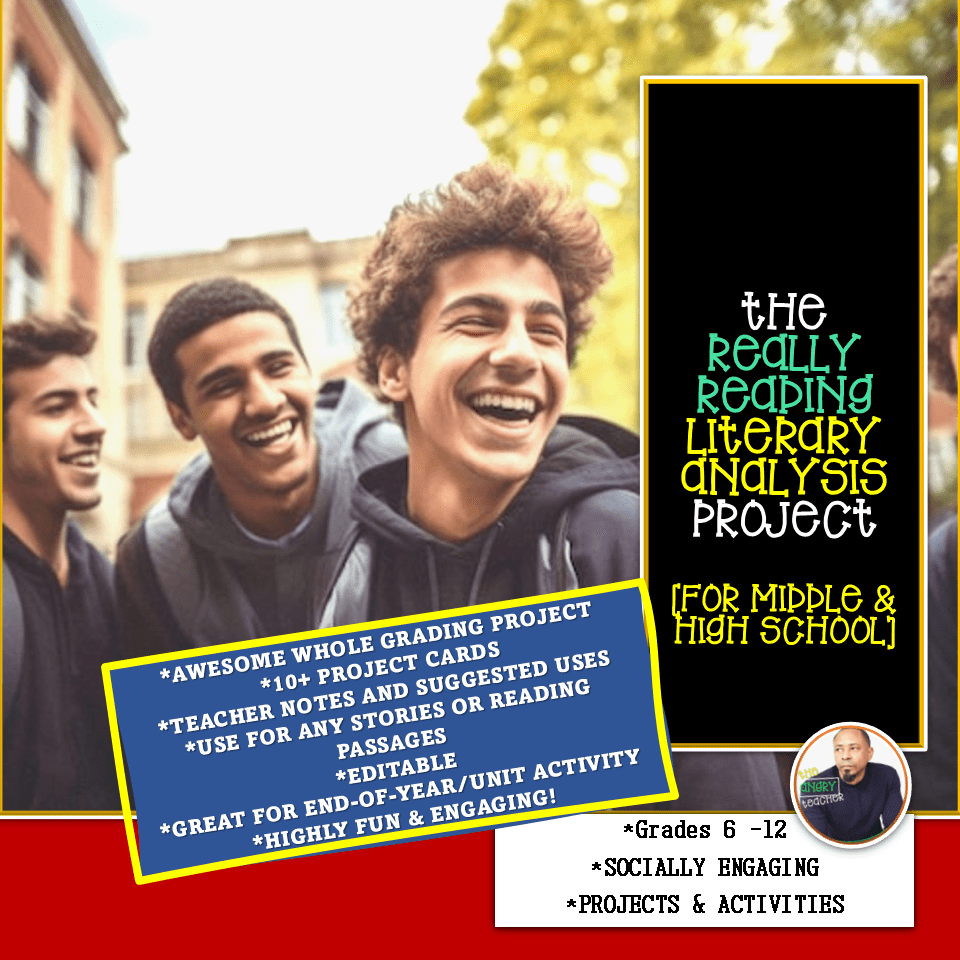
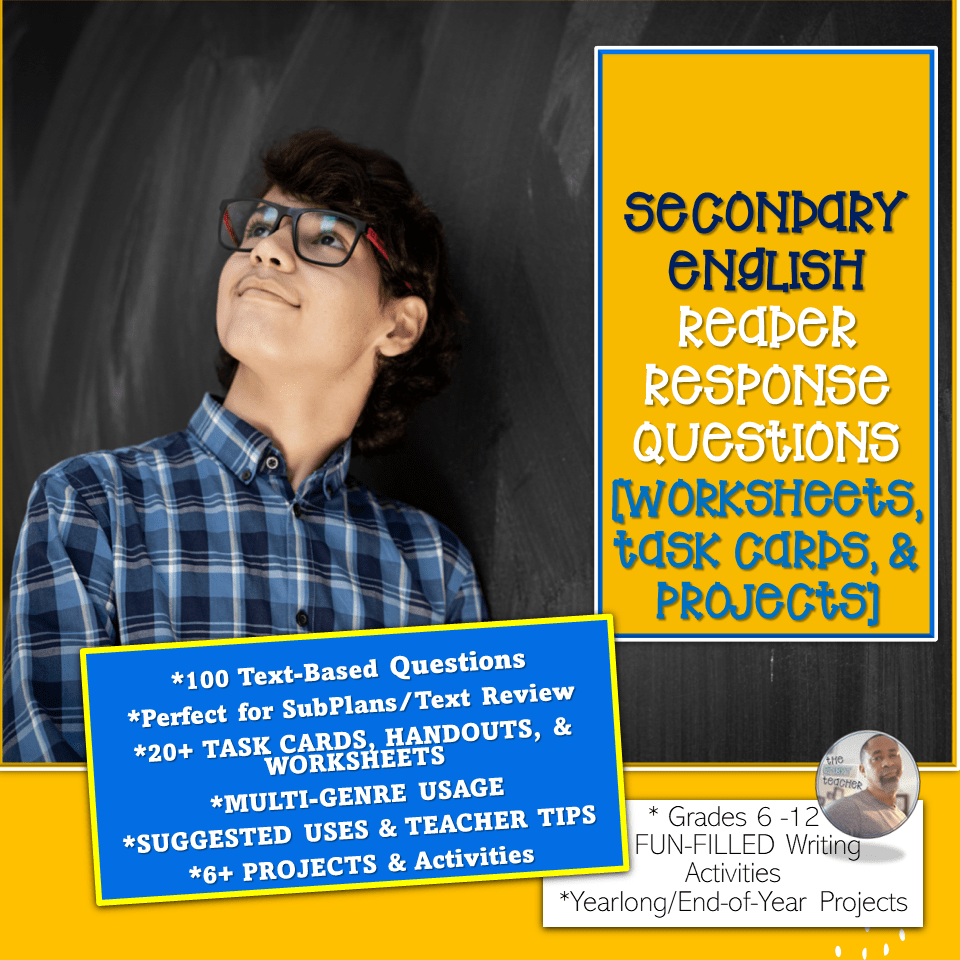
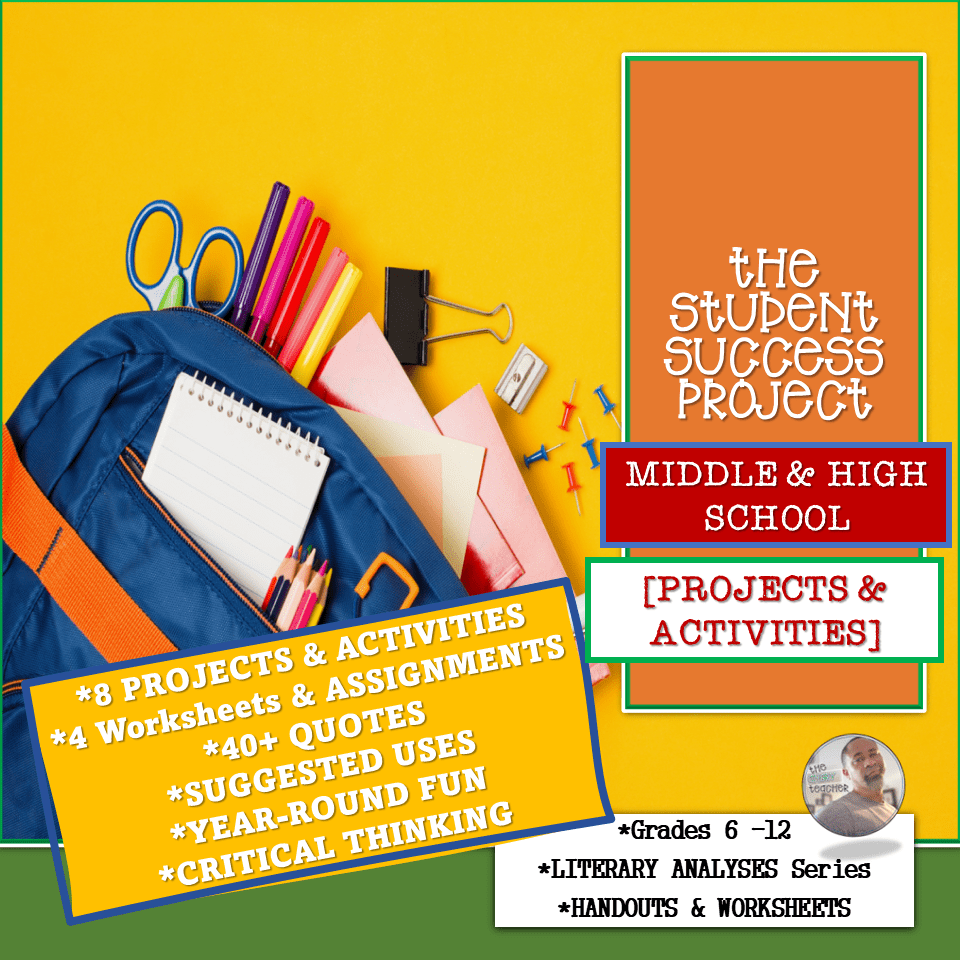
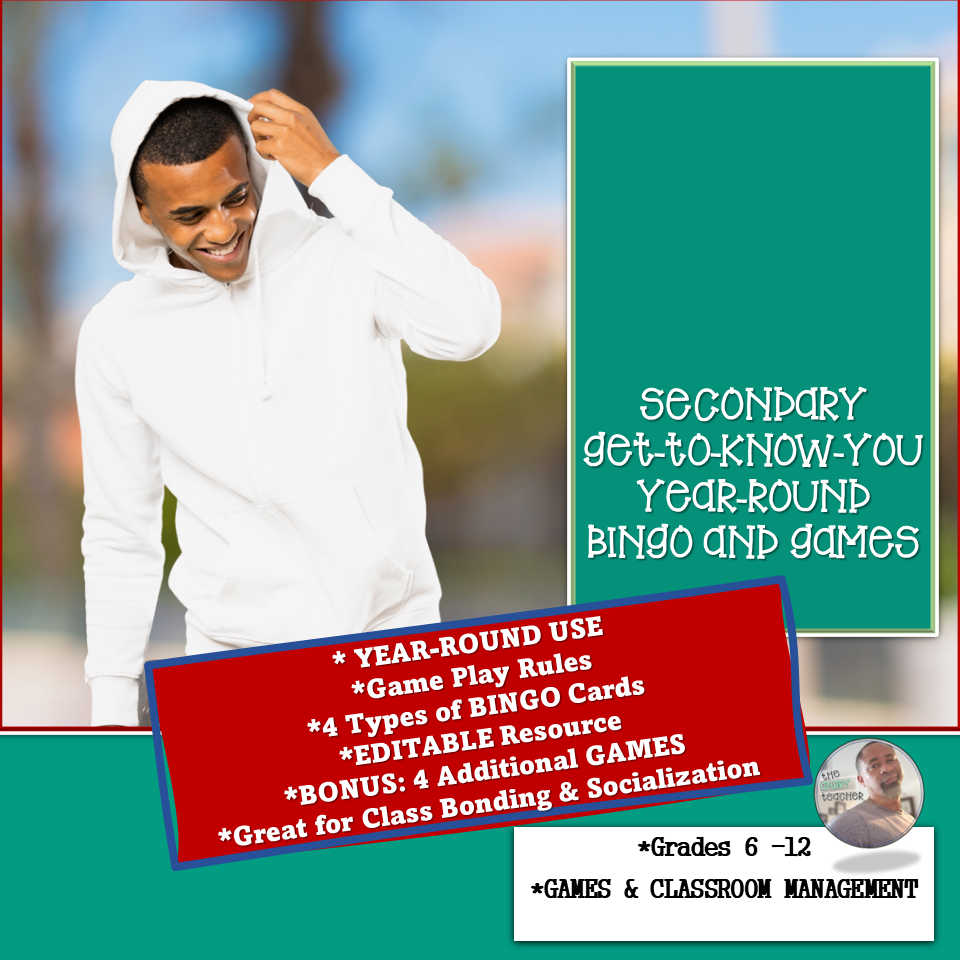
I’ve got customizable projects, choice boards, modern poetry units, playlist assignments, and TikTok-inspired discussion prompts available in [The Angry Teacher Store].
📲 Let’s meet this moment together.
Here are some resources that may help:






 The Angry Teacher
Leave a comment