
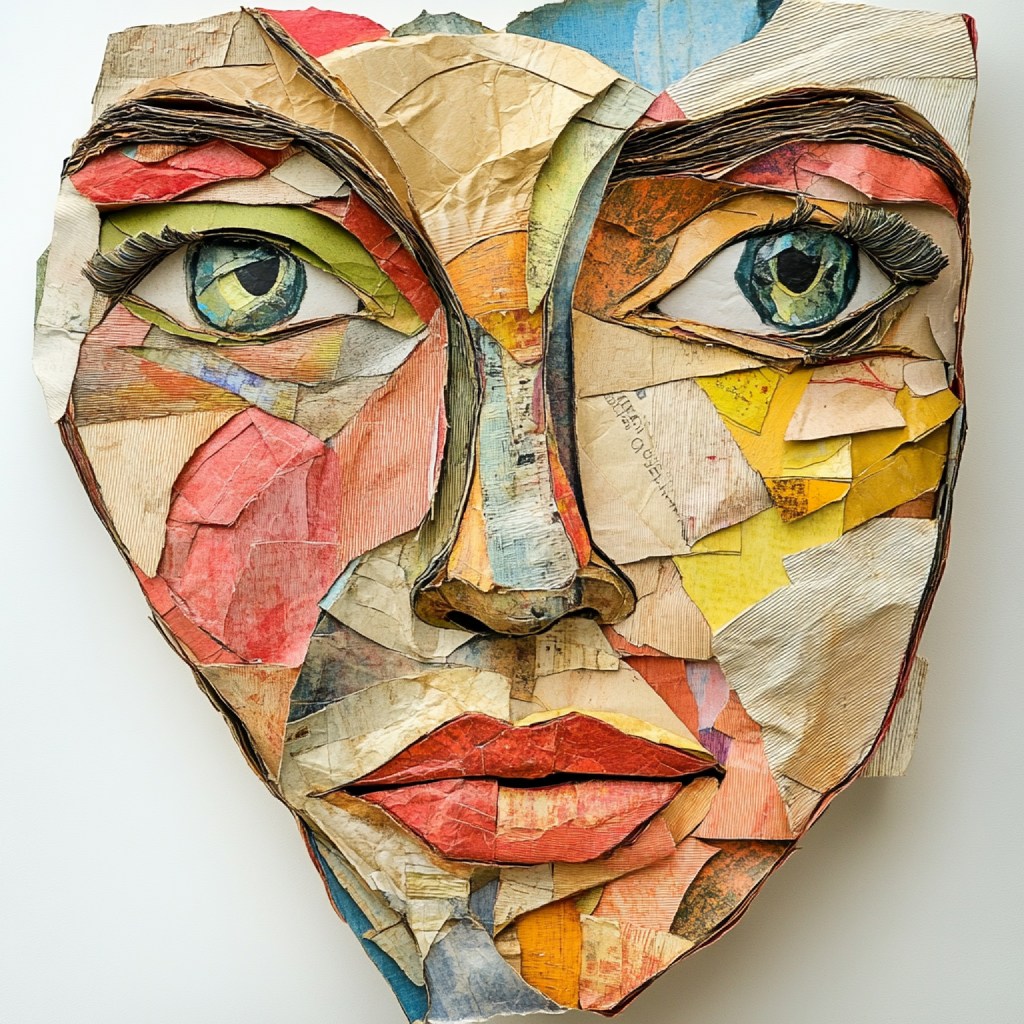
ELA teachers are no strangers to analysis. We guide students through metaphors, tone shifts, and author’s purpose on a regular basis. But have you ever considered applying those same skills to visual texts?
Incorporating art analysis into your English Language Arts classroom is a powerful way to deepen interpretation skills, engage diverse learners, and spark meaningful conversations—all while reinforcing standards.
Whether you’re teaching middle or high school, here’s why (and how) you should bring art into your ELA curriculum.
1. Visual Literacy Is 21st-Century Literacy
Today’s students are surrounded by images—on social media, in advertising, and online content. Yet they rarely get formal instruction in how to analyze visuals with the same rigor they apply to written texts.
Teaching students to analyze artwork:
- Sharpens observation and inference skills
- Promotes interpretation beyond surface-level thinking
- Strengthens their ability to “read” tone, symbolism, and emotion in any medium
Visual literacy is not extra—it’s essential.
2. Art Analysis Builds Bridges to Literary Analysis
Looking at a painting, photograph, or sculpture is like stepping into a story. When students learn to analyze visual elements like composition, color, and subject matter, they naturally begin to:
- Make connections to themes and character development
- Interpret mood and setting
- Explore tone, point of view, and symbolism
You’re reinforcing ELA standards while keeping things fresh and unexpected.
🖼️ Try this: Pair a portrait with a character study, or show an abstract painting before introducing a poem on identity.
3. It Engages Visual and Creative Learners
Let’s face it—not every student loves to annotate a passage or write a five-paragraph essay. But give them a vivid piece of art to analyze? Suddenly, they’re full of insights.
Art invites students who are:
- Visual learners
- ESE and multilingual learners
- Reluctant writers or overthinkers
By offering a nontraditional entry point, you’re reaching students who might otherwise tune out—and showing them that critical thinking can look different.

4. It Encourages Higher-Order Thinking and Cross-Curricular Connections
Art doesn’t hand students easy answers—and that’s the point.
When students engage with visual texts, they must:
- Analyze ambiguity
- Form evidence-based interpretations
- Consider historical, cultural, and emotional context
These are the exact skills we want in strong readers and writers. Plus, you can easily connect art analysis to history, social justice, and philosophy for interdisciplinary depth.
✏️ Discussion prompt: “What story is this artwork telling? How does it compare to the narrative in our current text?”
5. It Supports Creative and Critical Writing
Use art to inspire:
- Descriptive writing (Imagine stepping into the scene…)
- Narrative writing (Tell the story behind the painting…)
- Analytical writing (Explain the symbolism or emotion the artist conveys…)
- Poetry (Use color, shape, or subject as metaphor)
Art makes abstract literary concepts tangible—and gives students new tools for expressing themselves.
How to Start Teaching Art Analysis in ELA
You don’t have to be an art historian to bring this into your classroom. Start simple:
✅ Choose a high-impact image related to your current text or theme
✅ Ask open-ended questions:
- What do you notice?
- What emotions are being expressed?
- What story might this piece be telling?
✅ Have students annotate the image or write a paragraph response
✅ Compare the art to a poem, character, or scene in a novel
Want to go deeper? Create a gallery walk, pair visual texts with nonfiction, or explore social commentary through modern art and photography.
Final Thoughts: Let Art Tell the Story
In a world full of visuals, teaching students to engage deeply with artwork enhances more than just their reading skills. It cultivates empathy, curiosity, and critical thinking—all things we value deeply in the ELA classroom.
So don’t be afraid to hang a painting next to a poem. Your students will surprise you with what they see—and what they say.
Looking for ready-to-use art and ELA lessons?
Explore my ART ANALYSIS for MIDDLE AND HIGH SCHOOL on TPT, featuring:
- Art-inspired writing prompts
- Visual analysis graphic organizers
- Paired text and art discussion activities
- Cross-curricular mini-lessons
- Perfect for grades 7–12, with scaffolding for all levels.




 The Angry Teacher
Leave a comment