

Now, I wasn’t too much a teacher who uses games in his classroom, until I realize they made me excited to engage in the lesson too.
Using games in the classroom isn’t “fluff”—it’s strategic, memorable, and incredibly effective. Whether you’re pulling out a classic board game, using a digital favorite, or adapting a party game for literacy practice, games create instant engagement and deeper learning. Students laugh, collaborate, think critically, and—without even realizing it—practice skills you’ve been trying to reinforce all year. 😄💡
If you’ve ever wanted to bring more fun into your ELA lessons without sacrificing rigor, premade games (both physical and electronic) are the perfect solution.
Below are classroom-tested ways to use them with middle and high school learners.
Why Games Work in ELA 💥
Premade games help students:
🎯 Practice strategy, logic, and critical thinking
📣 Improve communication and collaboration
🧠 Strengthen vocabulary and inferencing
📚 Connect reading and writing skills in new ways
❤️ Reduce anxiety around academic tasks
…and most importantly—they have FUN.
When emotions and engagement are high, retention skyrockets. 🔥
1. UNO for Parts of Speech, Literary Devices, or Vocabulary 🔴🟨🟩
UNO is one of the EASIEST games to adapt.
Try these twists:
- Students must define, create a sentence, or give an example each time they lay a card.
- Use color categories:
- Red = vocabulary
- Yellow = literary devices
- Green = grammar
- Blue = analysis questions
- Skip = ask another student a question
- Reverse = switch writing tasks
You can turn a 20-minute class period into skill practice students actually enjoy.
2. Jenga for Quick-Write Challenges 🧱✍️
Write a question, prompt, or challenge on each block.
When a student pulls one, they respond in writing or aloud.
Prompt ideas:
- Describe a character using three adjectives.
- Identify a theme from our current text.
- Use our vocabulary word in a sentence.
- Explain a figurative device from yesterday’s reading.
Students LOVE the suspense. Teachers LOVE the built-in accountability.
3. Scattergories for Vocabulary, Themes & Brainstorming 🧠⏳
Use a premade Scattergories board OR create your own.
Students choose a letter and brainstorm answers for categories such as:
- Symbol from the text
- Character trait
- Setting detail
- Synonym for ___
- Theme statement
- Famous author
This game builds fluency AND creativity.
4. Taboo for Academic Vocabulary 🚫📣
Students must describe a vocabulary word without using the “taboo words.”
Great for:
- Literary terms
- Grammar concepts
- Figurative language
- Unit vocabulary
They practice precision and clarity—core ELA skills.

5. Heads Up! for Character Traits or Vocabulary 🎭📱
Use the free app OR make your own cards.
Students act out, describe, or give clues while the “guesser” tries to identify the word.
Perfect as:
- Review before tests
- Warm-up activity
- SEL activity (emotion words)
6. Kahoot, Blooket & Gimkit for High-Energy Review ⚡📱🎉
Electronic games are HIGH engagement with LOW prep.
Use them for:
- Reading checks
- Grammar practice
- Writing review
- Vocabulary
- Literary analysis
Pro tip: Pair a short passage with 5–8 meaningful questions to build reading stamina.
7. Digital Escape Rooms for Comprehension & Problem Solving 🔐💻
Premade escape rooms keep students on-task and excited.
Use them to review:
- Character clues
- Symbol puzzles
- Vocab locks
- Theme riddles
- Literary device hunts
Students collaborate, read closely, and apply higher-order thinking.
8. Trivia Games for Literature Units 🏆📘
Use Jeopardy-style games (premade PPTs or online templates).
Categories could include:
- Quotes
- Characters
- Plot
- Symbols
- Themes
- Author facts
Students compete—and they’re reviewing for your assessment without even realizing it.
9. Connect Four for Quick Skills Practice 🔵🟡
Each turn requires answering a question before dropping the piece:
- Identify a theme
- Explain a quote
- Correct a sentence
- Choose the correct vocabulary word
Simple but powerful.
10. Classic Board Games for Discussion Skills 🎲🗣️
Try adapting:
- Sorry! for “answer a question before you move forward.”
- Candy Land with checkpoints tied to reading skills
- Clue to teach inference, motives, and character analysis
- Guess Who? to study character traits or authors
These games naturally mimic ELA thinking processes.
Final Thoughts ❤️🎲📚
Premade games—both physical and electronic—offer teachers a stress-free way to reinforce essential skills, boost morale, and create a positive classroom culture. When students feel safe and excited to participate, they take bigger academic risks, develop stronger communication skills, and actually look forward to ELA.
You may have noticed some of the pre-made games can be used. I would purchase those games sometimes and add ELA and text references to popular board games. Or, I would add ELA content to toys and games that added movement. For example, I would buy those large plastic baseball bat and ball, write ELA and text jargon on it with a permanent marker, then have my students play ball! Ladder ball and Cornball have both been played in the hall ways of my school too. It’s crazy how corny works well with high school students. 😄
So go ahead—pull out that dusty game bin, open your favorite digital platform, and watch your classroom come alive. 🎉✨
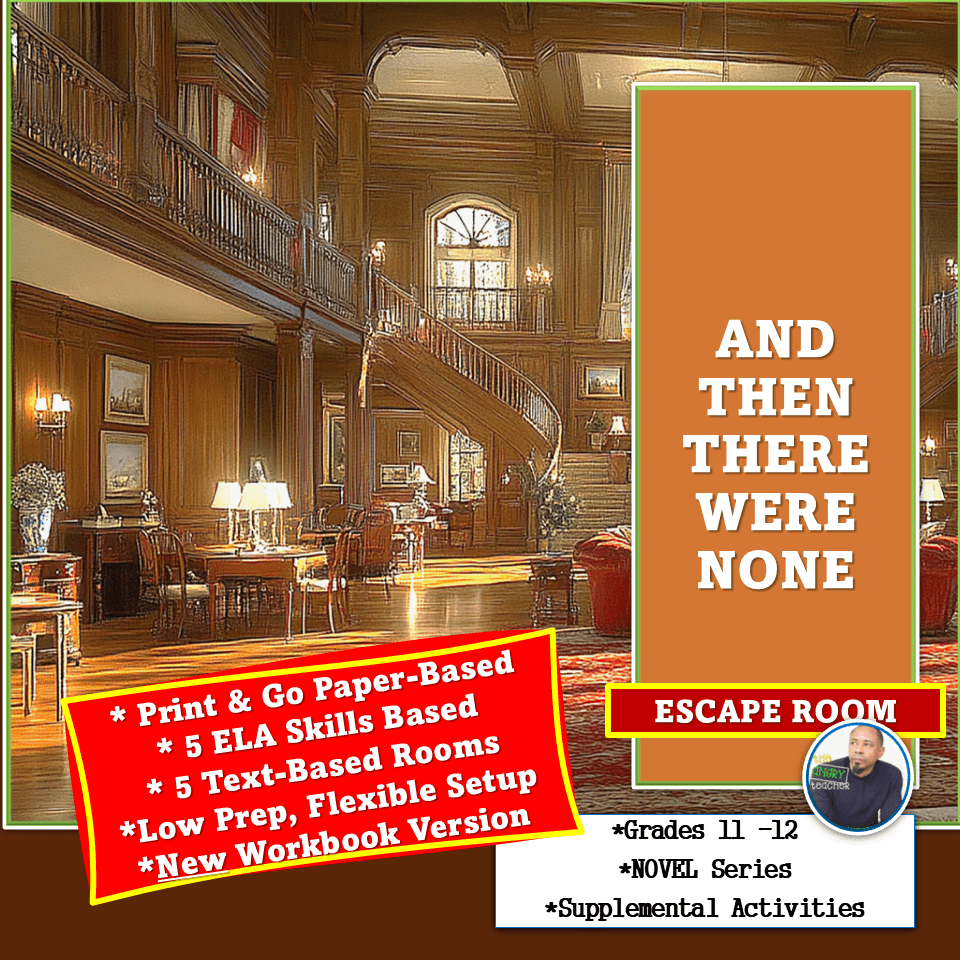
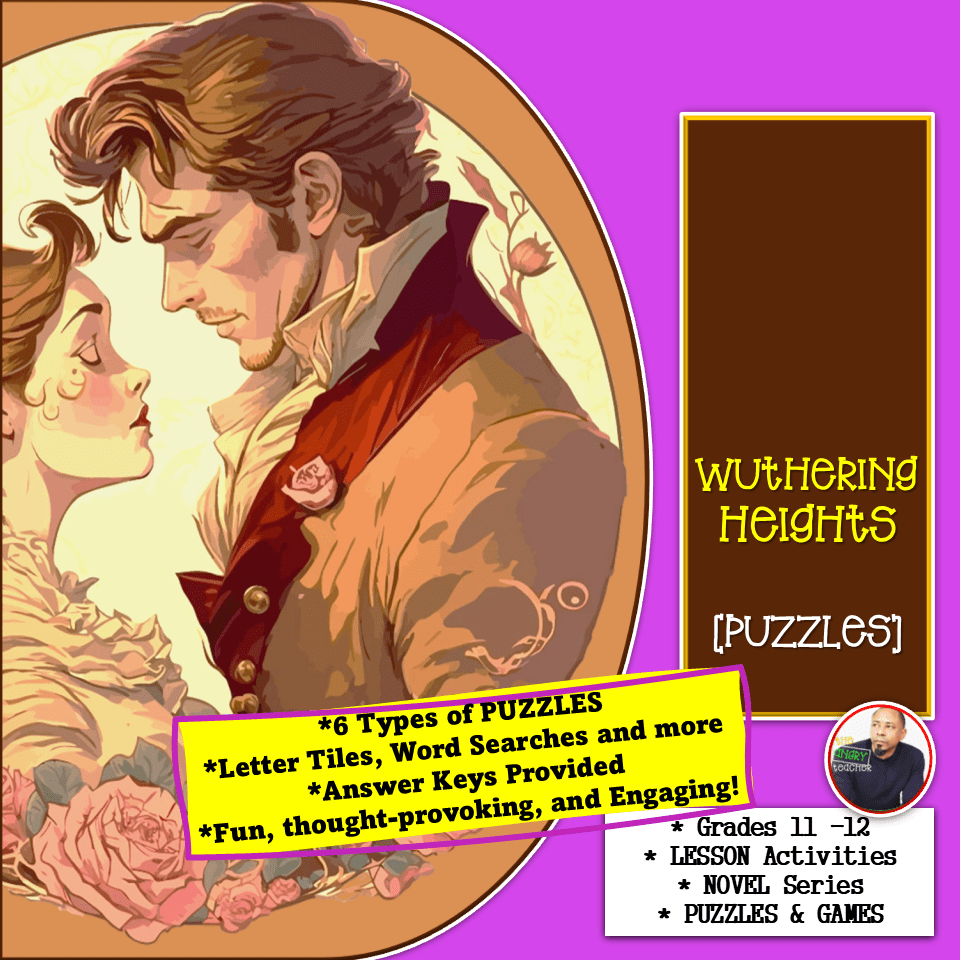
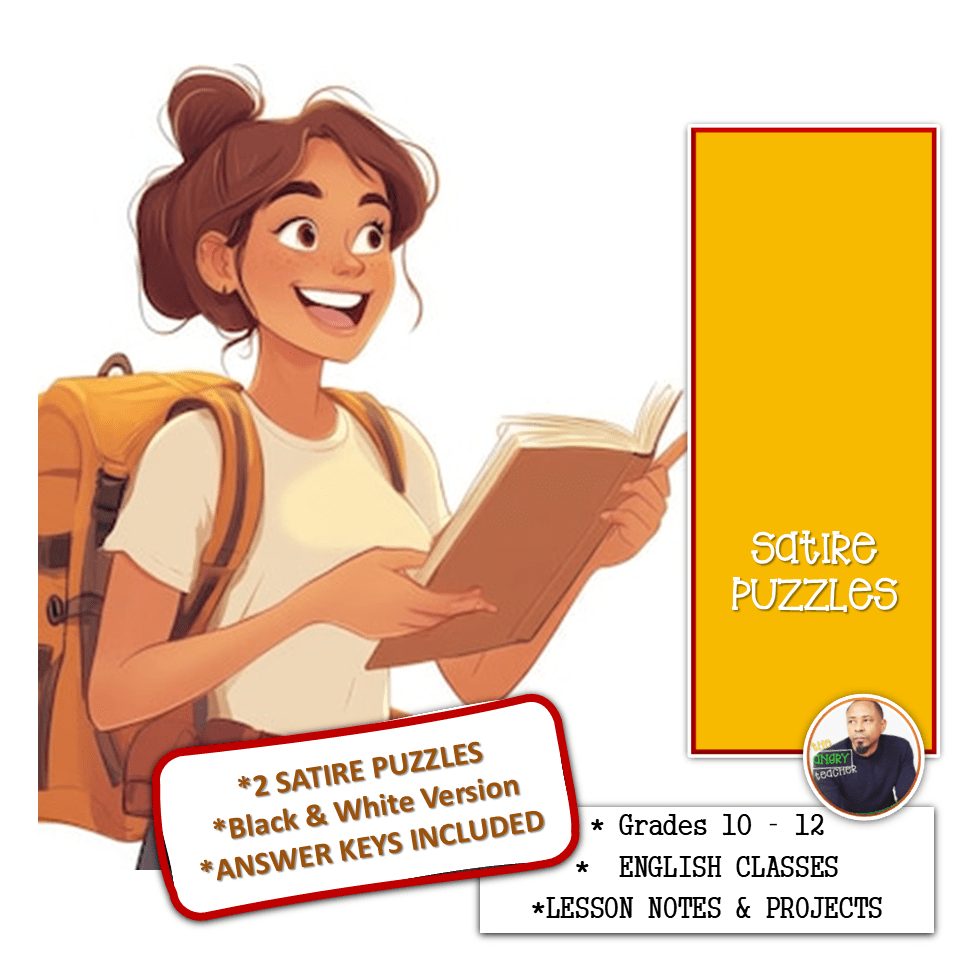
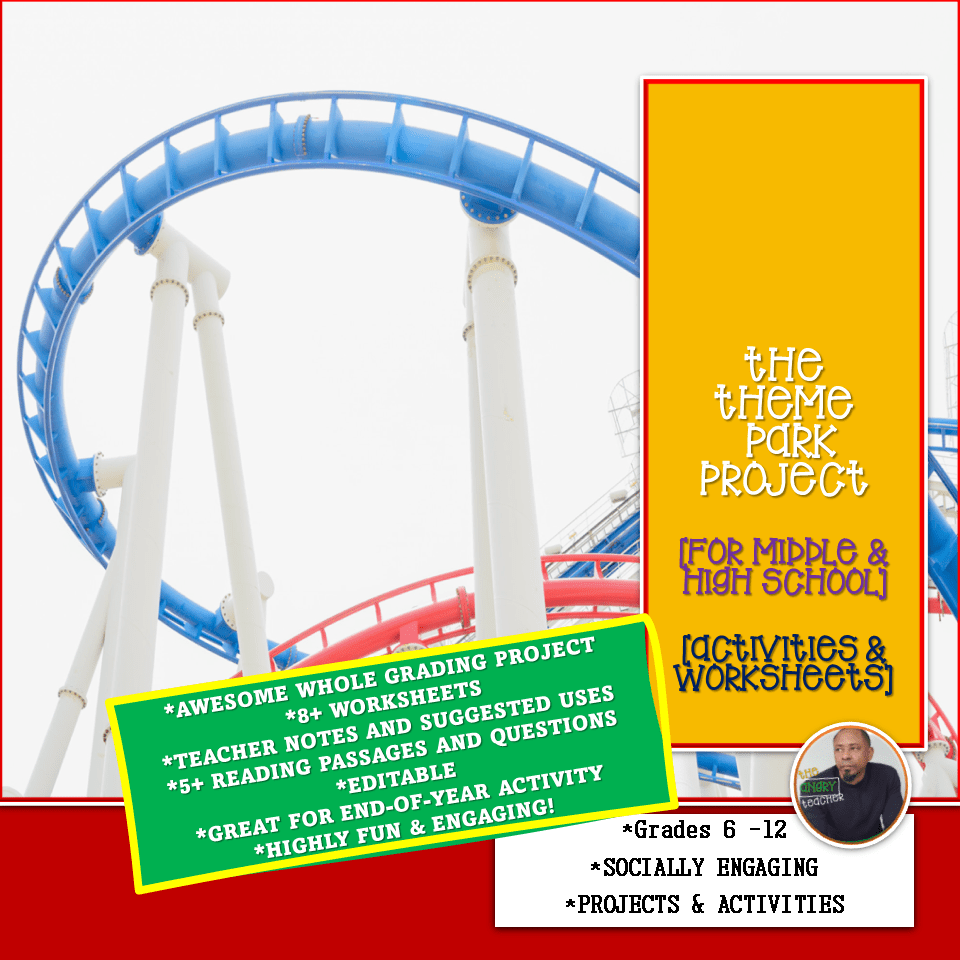
Here are some ELA Games to help excite your students and energize your lessons.





 The Angry Teacher
Leave a comment